

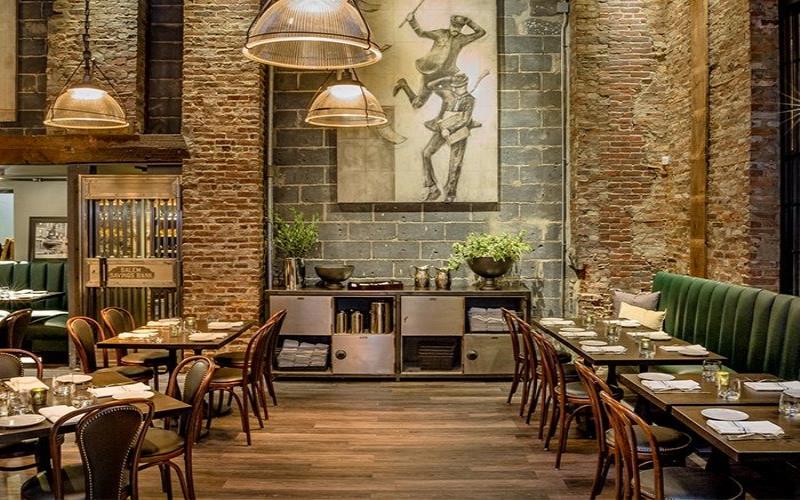
Flooring might not be the first thing that springs to mind when designing or renovating a bar or restaurant, but it plays a vital role in setting the tone, maintaining hygiene, and withstanding the unique demands of a high-traffic commercial environment. In the world of hospitality, the floor is one of the few elements that must balance aesthetic appeal with relentless functionality.
Whether you’re creating a cosy gastropub in a market town, an upscale cocktail bar in a city centre, or a casual family restaurant on the coast, the floor beneath your guests’ feet has to do a lot of work. It needs to be visually aligned with your brand, tough enough to cope with constant footfall, and easy enough to clean multiple times a day without fading, cracking, or warping. Choosing the right commercial flooring is one of the most important decisions in a successful bar or restaurant fit-out.
While there’s no single perfect material that works for every venue, the best flooring options tend to share a few key characteristics. They’re built to last, simple to maintain, safe underfoot, and designed to handle the everyday challenges of spills, scratches, and the occasional dropped glass.
Matching Aesthetics to Ambience
First impressions matter, and the flooring in your establishment plays a significant role in shaping how guests perceive the space. A warm, natural wood effect might convey a rustic and welcoming atmosphere, ideal for a traditional pub or countryside inn. On the other hand, a sleek, polished concrete or industrial-style tile may be the right choice for a modern urban wine bar or boutique restaurant.
Designers and hospitality owners are increasingly using flooring as a tool to help define zones within the venue. In open-plan restaurants, flooring can subtly indicate different areas for dining, drinking, or lounging. The bar area might use darker tones or patterns to hide spills and wear, while the dining area could use lighter hues to create a sense of calm and space.
Today’s flooring materials offer a wide range of visual styles without compromising on durability. Many commercial vinyl and tile ranges replicate the look of wood, stone, concrete, or metal while providing the resilience and hygiene needed in hospitality. This makes it possible to create stylish interiors that look bespoke but perform under pressure.
Durability Under Pressure
Few environments are as demanding on flooring as a busy restaurant or bar. The surface has to endure everything from spilt drinks and dragging chairs to high heels, muddy boots, and cleaning chemicals. Choosing a material that can take this kind of punishment day after day is essential if you want the space to remain looking good for years, rather than months.
Luxury vinyl tile is one of the most popular choices for commercial hospitality spaces, and with good reason. It offers excellent wear resistance, is designed to withstand heavy footfall, and comes in a wide variety of finishes. Unlike domestic flooring, commercial-grade vinyl has a thicker wear layer and often includes reinforced backing for improved stability. It’s also resilient enough to resist scratches and stains, even in high-traffic areas.
Porcelain tiles are another excellent choice for long-term performance. Hardwearing and resistant to moisture, tiles can cope with heavy traffic, frequent cleaning, and the occasional dropped plate or glass. In kitchen areas, where heat and grease are additional concerns, porcelain offers a safe and sanitary surface that’s easy to disinfect.
Some venues still opt for sealed concrete or polished resin floors, especially in larger or industrial-themed spaces. These materials provide a contemporary aesthetic and are incredibly robust, though they can be cold and unforgiving underfoot if not softened with furniture and lighting choices.
The Importance of Cleanliness and Hygiene
Now more than ever, cleanliness is a top priority for businesses in the hospitality sector. The floor needs to be easy to clean, resistant to staining, and able to cope with frequent mopping and disinfection. In many restaurants and bars, the floor is cleaned multiple times a day—often between service periods and always at closing time.
Smooth, non-porous surfaces are ideal for hygiene, as they prevent bacteria from settling into crevices. Vinyl flooring excels here, with a surface that resists dirt and allows for fast, effective cleaning. It’s also waterproof, which makes it perfect for both front-of-house and back-of-house areas, where food and drink spills are common.
In addition to routine cleaning, the ability to withstand sanitising chemicals is important. Some floor materials may discolour or degrade over time if harsh cleaners are used regularly. Choosing a floor that’s been tested for commercial sanitation standards ensures you won’t face early replacement or repairs due to wear caused by your cleaning products.
Ceramic and porcelain tiles are similarly suited to rigorous cleaning, with the added benefit of being naturally resistant to mould and mildew. For venues operating with open kitchens or visible food prep areas, this level of hygiene can also reassure guests that the business is committed to best practices.
Safety Without Sacrificing Style
Safety should never be an afterthought when choosing flooring for a bar or restaurant. Spills are inevitable, and the last thing any hospitality business wants is a guest or staff member slipping. In the UK, commercial flooring needs to meet anti-slip standards, particularly in areas where liquids are likely to be present.
Many commercial flooring products come with built-in slip resistance, rated according to how well they perform in wet or dry conditions. In kitchens, behind the bar, and in toilet areas, R-rated slip resistance is often required to comply with safety regulations.
That doesn’t mean you have to sacrifice design. A growing number of flooring ranges now offer slip-resistant textures while maintaining stylish appearances. Textured vinyl, structured porcelain tiles, and anti-slip coatings on polished concrete can all help reduce the risk of accidents while still contributing to the venue’s overall look.
Thinking about safety also means considering transitions between different flooring types. Uneven thresholds, slippery rugs, or sudden changes in surface can create hazards. Using consistent or well-joined flooring across customer areas not only looks sleek but reduces the chances of trips and falls.
Acoustic Considerations in Busy Venues
Bars and restaurants can be noisy places. From clinking glasses and cutlery to music, conversation, and the buzz of kitchen activity, managing sound is a key consideration—especially in venues where guests are expected to relax and socialise.
Flooring can have a significant impact on a room’s acoustics. Hard surfaces like stone and tile tend to reflect sound, which can make busy venues feel even louder. While this might be ideal in a lively bar where atmosphere is king, it can become an issue in a restaurant where diners struggle to hear each other.
Some vinyl and laminate flooring ranges are designed with acoustic backing, which helps absorb sound and reduce echo. Using these materials in dining areas, along with soft furnishings and sound panels, can help create a more pleasant acoustic environment.
In venues with open ceilings or minimal soft furnishings, flooring becomes even more important in helping control sound. If your design leans toward a clean, industrial look, consider combining your hard flooring with upholstered seating, curtains, or ceiling baffles to balance the overall acoustics.
Choosing the Right Flooring for Different Zones
In hospitality spaces, different zones often have different needs. The front entrance, bar area, main dining room, toilets, and kitchen all experience varied types of traffic and exposure. A one-size-fits-all flooring solution rarely performs equally well in every zone.
The entrance is the first point of contact and must handle moisture, dirt, and grit from outdoors. Flooring here needs to be hardwearing, non-slip, and quick to clean. A commercial-grade matting system combined with stone or vinyl can be highly effective with onlineurdupoetry.
Behind the bar, floors are regularly exposed to liquids, broken glass, and constant movement. A waterproof, slip-resistant material is essential. Many bar owners opt for anti-fatigue mats behind the scenes, paired with durable vinyl or resin floors that are easy to mop.
Dining areas, on the other hand, require a balance between form and function. Comfort, appearance, and ease of cleaning are all important. Here, you have more freedom to choose flooring that contributes to ambience, while still delivering on hygiene and practicality.
Toilet and cloakroom areas should use non-porous materials that won’t stain or absorb odours. Vinyl or tiles are both well suited here, and design-wise, they can tie into the overall interior to ensure continuity across the venue.
Installation and Maintenance Considerations
Choosing a great floor is only the beginning. How it’s installed and maintained will make all the difference to its performance over time. Commercial flooring needs to be laid by professionals who understand the specific requirements of hospitality venues. Poorly installed floors can buckle, lift, or become unsafe—especially in areas with frequent cleaning and heavy furniture movement.
Many hospitality businesses opt for flooring that can be laid quickly and with minimal disruption, particularly if the venue is already open. Some modular flooring systems allow for phased installation, while others can be fitted over existing surfaces to speed up the process.
Maintenance is another key factor. Even the most durable floors need regular care to look their best. Choosing a flooring material with straightforward cleaning requirements, minimal specialist treatment, and strong manufacturer warranties will save money and hassle in the long run.
In high-traffic venues, it’s also worth thinking ahead. Selecting materials that are easy to repair, replace in sections, or update with new finishes can help keep your interior looking fresh as the business grows—an approach often highlighted on platforms like blox.fun.
Flooring That Works for You
At the end of the day, the best commercial flooring for a bar or restaurant is the one that fits the venue’s personality, performance requirements, and day-to-day realities. It should support your brand image while making life easier for your staff and offering a safe, welcoming environment for your guests.
From timeless wood-effect vinyl to ultra-modern tiles and polished concrete, the range of flooring available to UK hospitality businesses has never been more extensive. By focusing on durability, hygiene, safety, and design, it’s entirely possible to create a space that not only looks fantastic but functions beautifully under pressure.
